

Green Screen vs Cinematic Background: Which One to Choose?
Virtual chroma key flexibility or organic depth layers? Compare green screen vs cinematic backgrounds to determine the ultimate visual set architecture for your brand channel.
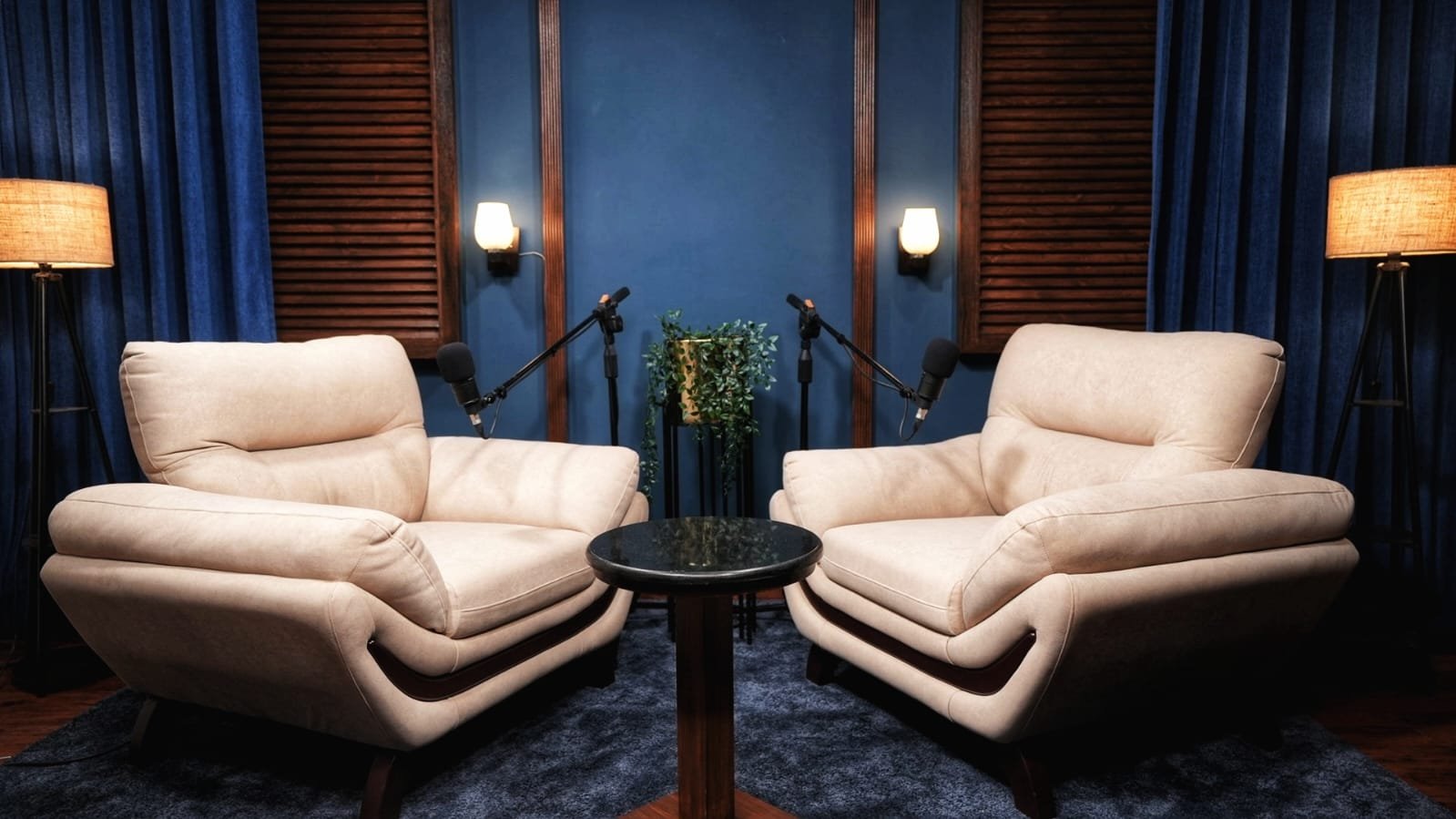
Green Screen vs Cinematic Background: Which One Should You Choose?
Executing a premium broadcast presence requires mapping out your physical set configuration carefully. For tech founders, digital marketers, and brand curators collaborating with a professional video production company in bangalore, the ultimate production choice often comes down to virtual chroma key environments versus physical, depth-calibrated corporate sets. Making the wrong choice introduces massive post-production bottlenecks, degrades audience watch-time metrics, and directly impacts how your brand equity scales across high-value executive channels.
The Virtual Chroma Key Track
Green screens give digital creators endless environment scaling flexibility, letting you position your speaker inside a high-tech control deck or an abstract brand visualization one asset at a time. However, keying digital backdrops flawlessly demands precise, multi-point softbox diffusion arrays configured in a dedicated green screen studio bangalore to eliminate fringing artifacts. Poor lighting setups create edge blur blocks that drive premium audiences away instantly, as raw compression pipelines heavily penalize synthetic errors.
The Physical Cinematic Set
Real studio backdrops provide natural depth parameters and high executive authority metrics that are impossible to duplicate virtually. Utilizing authentic premium textures, industrial slats, custom RGB accent panels, and deep anamorphic lens bokeh establishes an instant professional trust level. This organic framing anchors your personal brand image, ensuring your long-form thought leadership and micro-reels convey immediate market stability.
The core operational bottleneck between these two frameworks often boils down to post-production timelines and processing drag. Virtual backgrounds require intensive editing hours, sophisticated delta-keyer configurations, meticulous color grading matching routines, and constant manual masking patches to ensure the subject doesn't look detached from the artificial background. If your media delivery pipeline demands launching multiple short vertical files weekly across LinkedIn, YouTube Shorts, and Instagram, this added technical complexity stalls your distribution speed curves completely.
Physical cinematic environments eliminate this processing friction loop entirely. By capturing pristine optical layers, true drop shadows, and authentic atmospheric lighting directly on set through high-bitrate 4K multi-camera lines, your master media files enter the video editing services suite fully polished. This instantaneous visual quality allows internal design desks to slice long-form batch-recording sessions into highly targeted micro-clips without losing time to rendering, tracking, or artifact masking.
Furthermore, modern platform encoding metrics have grown exceptionally smart in 2026. Algorithmic distribution networks scan incoming file containers for edge pixels, unnatural halo halos, and artificial pixel dropouts. When a founder uses a cheap template swap or an uncalibrated virtual background, the encoding compression engine flags the artificial noise, lowering the organic indexing potential of the piece and shrinking your core brand audience parameters from the start.
For early-stage startups and enterprise executives alike, the target is clear: choose the layout that minimizes time-to-market while keeping retention metrics locked high. While virtual backgrounds offer creative playground utility for specific dynamic infographics, physical cinematic spaces project a level of baseline corporate video production reliability and premium authority that builds deep, conversion-driven audience relationships over your entire video catalog.
01 // Spill Control Engineering
Chroma screens naturally reflect neon green light spill back onto the speaker’s clothes, hair, and jawlines. Correcting this green glow requires immense subject-to-wall physical distance metrics and multi-point balance setups that complicate fast, streamlined batch-filming loops.
02 // Organic Optical Depth
Physical cinematic sets utilize wide-aperture lens systems to craft true, rich layer separation. This smooth, real blur isolates the speaker with clean authority, emphasizing micro-expressions and signaling professional standards natively to B2B audiences.
03 // Turnaround Speed Calibration
Green key pipelines slow down editorial departments with massive asset syncing delays. Real-world sets produce print-ready file structures immediately upon capture termination, unlocking lightning-fast publication routines across active brand profiles.
04 // Brand Equity Stabilization
Sophisticated modern viewers spot cheap, copy-pasted virtual backdrops instantly. Utilizing high-end physical assets and smart geometric background structures projects undeniable elite positioning, locking eye-tracking attention paths.